
Nutrition
Nutrition is the foundation of both health and performance. What you eat influences not only your physical strength and recovery, but also your mental clarity, focus, and long-term energy. This section of VexeliQ brings together essential insights into the fundamentals of nutrition, metabolism, practical approaches to meal planning, and an honest look at supplements.
As more content is published, this page will serve as your Nutrition roadmap linking to in-depth guides and actionable resources you can use to build lasting habits.
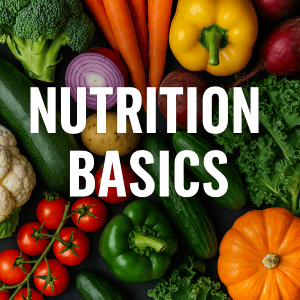
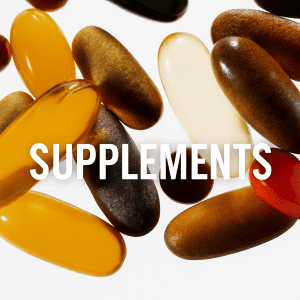
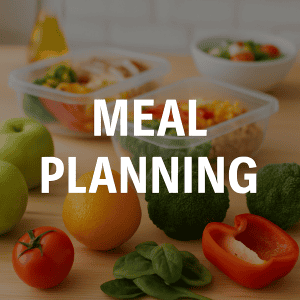
Nutrition Basics
Nutrition is the foundation of health and energy. Before you focus on supplements or advanced strategies, it’s important to understand the essentials — the foods and nutrients that power your body every day.
Macronutrients
Macronutrients are the big building blocks of your diet:
- Proteins support muscle repair, immune function, and long-term satiety.
- Carbohydrates provide quick and sustained energy for both the brain and body.
- Fats help regulate hormones, protect organs, and supply long-lasting fuel.
A balanced approach to macronutrients helps stabilize energy levels and supports productivity throughout the day.
Micronutrients
Micronutrients — vitamins and minerals — may be small in quantity, but they have a big impact. They support everything from cognitive function and mood to bone strength and immunity. Think of fruits, vegetables, nuts, and seeds as your go-to sources.
Hydration
Water is often overlooked, but staying hydrated is just as critical as food intake. Proper hydration improves focus, endurance, and even sleep quality.
Supplements
Supplements can be a helpful addition to a healthy diet, but they should never replace real food. Think of them as tools to fill gaps rather than shortcuts to better health.
Why People Use Supplements
- To cover nutrient gaps in their diet (e.g., Vitamin D in winter).
- To support performance in training or recovery.
- To improve energy, focus, or immunity when lifestyle factors fall short.
Essential vs. Optional
- Essential supplements are those that many people may genuinely benefit from, such as Vitamin D, Omega-3s, or a daily multivitamin.
- Optional supplements might be useful for specific goals, like protein powders and creatine for strength training or magnesium for sleep quality.
Safety & Quality
Not all supplements are created equal. Look for brands that are third-party tested, avoid mega doses unless prescribed, and remember that “natural” doesn’t always mean safe.
Meal Planning
Meal planning is the bridge between knowing what to eat and eating well consistently. With a little structure, you can save time, reduce daily decision fatigue, and ensure your body and brain always have the right fuel.
Why Meal Planning Matters
- Prevents last-minute unhealthy food choices.
- Saves money by reducing food waste.
- Supports consistent energy and focus throughout the day.
Simple Meal Planning Strategies
- Batch cooking: Prepare staples like grains, proteins, or roasted vegetables once and use them in multiple meals.
- Meal prep containers: Divide portions ahead of time for grab-and-go convenience.
- Grocery list method: Plan a week of meals, then shop once to stay on track.
Balance is Key
A good plan isn’t rigid but rather it makes healthy eating easier while leaving space for flexibility. Aim for a mix of proteins, carbs, and fats in each meal, and don’t forget fruits and vegetables for added vitamins and fiber.
H2 Footer Title
Lorem ipsum dolor sit amet, consectetur adipiscing elit. Ut elit tellus, luctus nec ullamcorper mattis, pulvinar dapibus leo.
- Linked text 1
- Linked text 2