
Fitness
Fitness is more than just working out. It’s about building strength, resilience, and energy that carries over into every part of life. Whether your goal is better health, sharper focus, or improved performance, the right approach to movement can unlock all three.
This guide brings together the essentials of fitness on VexeliQ, from effective training methods and recovery strategies to sustainable routines you can stick with. We will connect you to deeper guides and practical resources designed to help you train smarter, recover better, and live stronger.
Think of this page as you’re your fitness roadmap and a central guide you can return to as we explore new research, new workouts, recovery tools, and performance strategies.
Training Methods
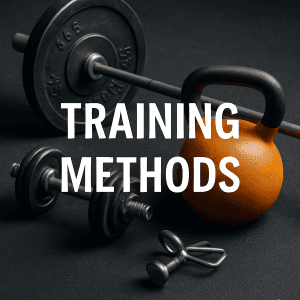
Training is the engine of fitness, but the method you choose determines the results you see. A balanced program blends multiple styles of exercise to support strength, endurance, and mobility. Consult your physician or health professional before starting any new fitness routine.
Strength Training
Building muscle isn’t just about aesthetics but rather it improves metabolism, joint health, bone density, and functional strength. Three to six sessions a week of resistance training can transform energy levels and long-term resilience.
Cardiovascular Training
Cardio supports heart health, lung capacity, and endurance. This doesn’t mean endless treadmill sessions but also include interval training, cycling, swimming, or even brisk walking to improve cardiovascular fitness in ways that support productivity and everyday energy.
Functional & Mobility Work
Beyond weights and cardio, functional movement (like kettlebell swings, bodyweight flows, or mobility drills) ensures your body moves well in real life. It reduces injury risk and keeps you capable as you age.
Recovery
What happens outside the gym is just as important as what happens during training. Without proper recovery, strength gains stall, energy drops, and injuries increase.
Sleep
Sleep is the foundation of recovery. Aim for 7–9 hours per night which is when muscles rebuild, hormones balance, and the nervous system resets.
Active Recovery
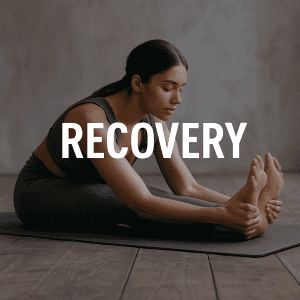
Recovery doesn’t always mean complete rest. Gentle activities like walking, yoga, or swimming improve circulation and help flush out metabolic waste while reducing stiffness.
Stretching & Mobility
Incorporating stretching and mobility work prevents tightness, maintains range of motion, and enhances performance in both training and daily activities.
Listening to Your Body
Recovery also means learning to recognize fatigue signals: soreness that lingers, poor sleep, or reduced performance. Adjusting intensity before burnout is key for long-term success.
Performance and Longevity
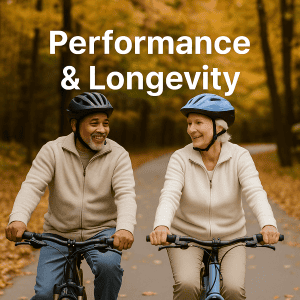
Fitness isn’t just about short-term goals. It’s about building habits, capacity and maximizing your quality of life. Performance means being able to move, lift, and live with confidence today, while longevity ensures those abilities remain as you age.
Performance Now
Well-designed training improves strength, stamina, and coordination. It gives you the energy to meet life’s demands from daily work to weekend adventures without running out of steam.
Longevity Principles
Longevity comes from consistency and sustainability. Focus on form over intensity, gradually increase loads, and include joint-friendly activities like swimming, cycling, or resistance bands.
Lifestyle Integration
True fitness goes beyond the gym. Posture, daily activity levels, and stress management all affect long-term physical health. By weaving movement into everyday life, you build resilience that supports not only physical strength but also mental clarity and emotional balance.
H2 Footer Title
Lorem ipsum dolor sit amet, consectetur adipiscing elit. Ut elit tellus, luctus nec ullamcorper mattis, pulvinar dapibus leo.
- Linked text 1
- Linked text 2